


Featured News
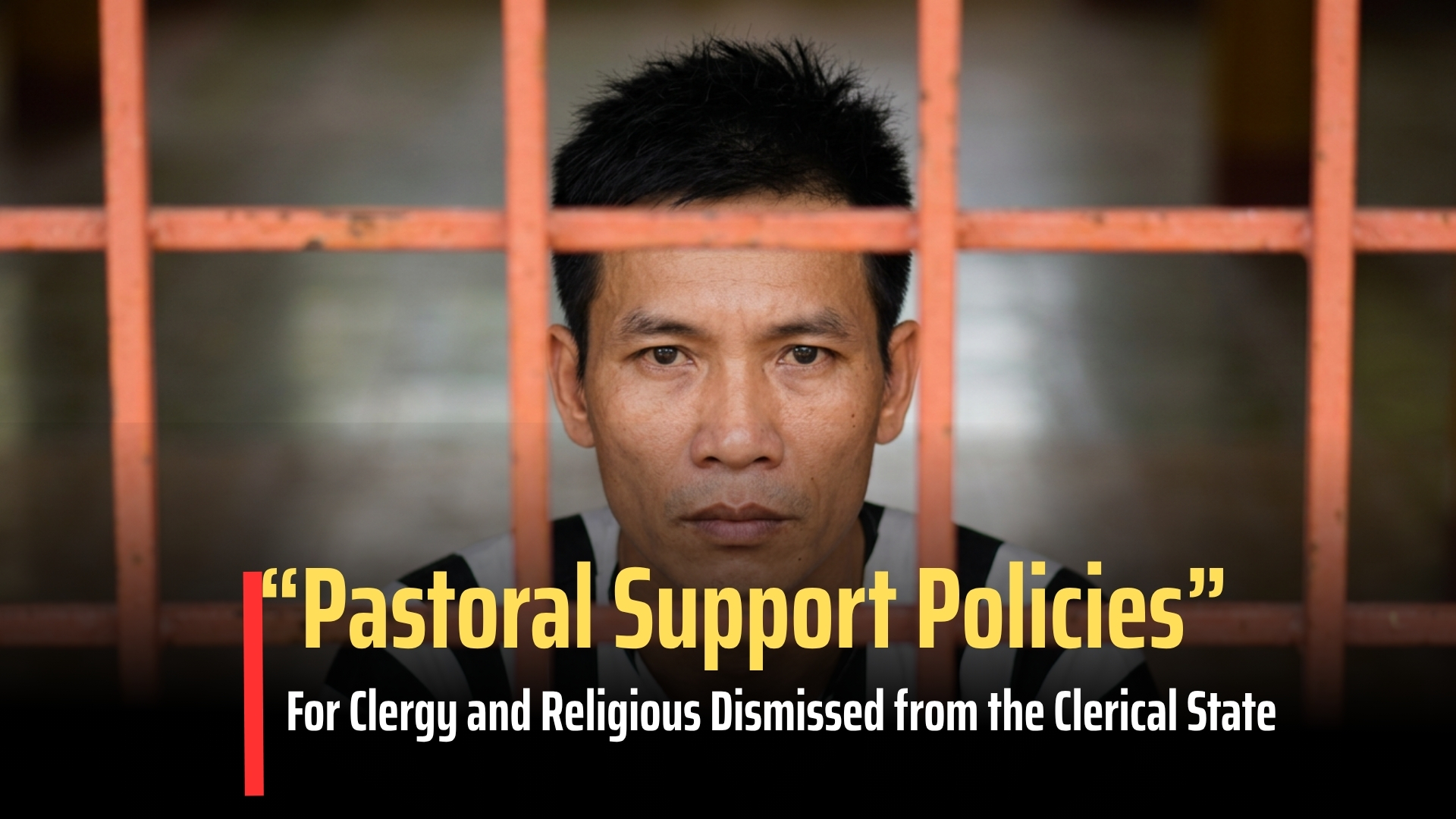
(NSGH) For many years, a growing number of countries around the world have gradually changed the way they view former prisoners who have completed their sentences. Rather than focusing solely on punishment, many modern legal systems now place increasing emphasis on rehabilitation and reintegration into society. Former inmates are often provided with vocational assistance, psychological support, temporary housing, and even initial financial aid to help them rebuild their lives.
This does not mean society condones wrongdoing or ignores personal responsibility. On the contrary, it reflects a profoundly human approach: beyond every sentence stands a human person who still deserves an opportunity to rise again and return to ordinary life.
From this reality, many have begun raising questions regarding the life of the Church: when a person leaves the clerical state, regardless of the reason, should there also be some form of support to help them reintegrate into society?
It is a sensitive subject, yet one that is becoming increasingly relevant today, as a growing number of priests and religious leave consecrated life after many years spent in seminaries, monasteries, and pastoral ministry.
A Rarely Discussed Gap
In the minds of many faithful, priests and religious are individuals who have dedicated their entire lives to the Church. Yet reality shows that not everyone who enters consecrated life is able to complete the journey.
Some leave the clerical or religious state after realizing they are no longer suited to the vocation they once embraced. After years of formation and ministry, they come to understand that the path they are walking no longer corresponds to their inner spiritual life or personal capacities.
Others leave because of violations of canon law, breaches of vows, or other serious misconduct that result in dismissal from the clerical state.
Despite the differing circumstances, they often share one common challenge: returning to ordinary society after years spent in the structured and enclosed environment of religious life.
Many entered seminaries or religious communities during adolescence and devoted nearly their entire youth to studying theology, philosophy, and pastoral ministry. When they leave the clerical state in middle age or later, they frequently lack professional work experience, practical skills needed for secular employment, and at times even emotional or spiritual support from a community.
It is a profound and often painful gap, yet one that is rarely addressed openly.
Discipline Is Necessary, but Mercy Must Also Remain
Within the life of the Church, canonical discipline remains essential in safeguarding the sacredness of the priesthood and consecrated life. No community can endure without principles, accountability, and responsibility.
At the same time, many believe that the enforcement of discipline should not necessarily mean a complete withdrawal of all support from those who once served the Church faithfully for many years.
For in the end, whether priest, religious, or layperson, they remain human beings with limitations and very real human needs.
If modern societies strive to create pathways of reintegration even for those who have committed criminal offenses, then the possibility of the Church establishing transitional support for those leaving the clerical state is also a matter worthy of serious reflection.
Such support would not necessarily imply “compensation,” nor would it excuse wrongdoing. It could simply involve modest financial assistance, vocational guidance, spiritual accompaniment, or practical help in adapting once again to life outside the unique environment of religious formation and ministry.
Many pastoral experts note that when a person is dismissed from the clerical state and then left entirely on their own, the risk of psychological crisis, loss of direction, or feelings of rejection can become very real.
A canonical decision may bring a ministry to an end, but it cannot erase the inherent dignity of the human person.
According to Observations by Nhịp Sống Giáo Hội
According to observations by Nhịp Sống Giáo Hội, in recent years the phenomenon of priests or religious leaving consecrated life has become increasingly common in various parts of the world.
Some voluntarily request laicization after long periods of discernment, recognizing that they are no longer suited to priestly or religious life. After leaving, many choose to marry, pursue secular professions, and begin a new life as ordinary lay Catholics.
Others, however, are required to leave the clerical state because of personal misconduct, disciplinary violations, or other serious matters under canon law.
What is noteworthy is that in both situations, the challenge of reintegration remains ever present.
Many who spent nearly their entire lives within religious environments encounter significant difficulties when re-entering society. Some possess no professional qualifications outside pastoral ministry; others struggle psychologically because of the abrupt transition; still others must rebuild their lives almost entirely from the beginning.
Meanwhile, in many countries, reintegration programs for former prisoners have already been developed in systematic ways, with the goal of helping them stabilize their lives and reducing the likelihood of reoffending.
From this perspective, many believe the Church should also consider pastoral and humanitarian structures to accompany those who leave the clerical state, especially individuals who dedicated most of their lives to serving the Church.
More Than a Material Issue
In reality, what former clerics often need is not merely financial assistance.
More important may be the reassurance that their entire existence and years of service within the Church are not completely dismissed or forgotten.
A word of encouragement, pastoral accompaniment, employment opportunities, or simply an absence of stigma from the community can sometimes carry far greater value than material aid alone.
For some who leave the clerical state do so not out of opposition to the Church, but simply because they no longer possess the ability to continue living that particular vocation.
Even in cases involving serious misconduct, the enforcement of discipline should not entirely extinguish the spirit of charity that lies at the heart of Christianity.
It is understood that under current canon law, laicization or dismissal from the clerical state involves different procedures and disciplinary measures depending on the specific circumstances of each case. However, there remains no universal framework within the Church for assisting former clerics in their reintegration after many years of service.
Nevertheless, in certain parts of the world, some dioceses and communities quietly continue offering varying forms of support to laicized priests, particularly those who are elderly, struggling financially, or unable to establish stability on their own.
Many observers believe that, in an era increasingly concerned with human dignity and the right to reintegration, this is an issue the Church may need to address more attentively in the years ahead.
For beyond every canonical judgment or personal failure, what ultimately remains is still a human person deserving to be treated with justice, responsibility, and compassion.
RELATED POSTS
- 01 From the Destiny of a Nation to the Life of the Church: The Enduring Relevance of the Spirit of “Every Citizen Bears Responsibility”
- 02 More Than Half a Century of FABC: Time for a Transparent Report to the People of God
- 03 A $0.20 Cake and a Catholic Student’s Dream of Higher Education
- 04 Cardinal Luis Antonio G. Tagle Arrives in Vietnam to Preside Over the Beatification of Father Francis …
- 05 Millions Turn Their Hearts Toward Tac Say as Father Truong Buu Diep Is Declared Blessed